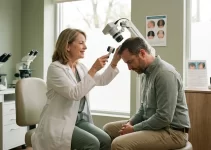
Hair loss can feel like a lot, especially when thinning shows up earlier than you expect, and that surprise can hurt. It often moves quickly. Many people with early to moderate androgenetic alopecia look for options that skip hormones or a daily pill, which is understandable. That’s usually when clinical trials come into view. Research in trials isn’t just about slowing loss anymore. These days, the goal is often to wake up dormant follicles, the quieter spots, and try to restart growth where it has stalled.
Interested in topical, non-hormonal treatments like regenerative therapies? This guide aims to help without making things confusing. You’ll learn how trials work, what participation guidelines usually include, and what to expect before signing up, so there’s less guesswork. It also explains how newer approaches, including stem cell activation methods, fit into today’s hair loss research.
Why Clinical Trials Matter for Hair Loss Progress
Clinical trials are how new hair regrowth ideas usually turn into treatments people can actually try. For androgenetic alopecia, that process matters a lot, especially since today’s options can still feel limited. That frustration is familiar to anyone who’s tried a few approaches already. Some people stop because of side effects. Others walk away due to cost, or because a slow, creeping disappointment builds over months when nothing seems to look different.
What’s interesting in recent clinical trials hair loss research is the move toward non-hormonal and topical options. This change often matters more than it first seems. Instead of changing hormone levels throughout the body, these studies focus on what’s happening right at the scalp, where follicles are under pressure. The approach is more targeted, which usually lowers the risk of unwanted effects and makes treatment feel more realistic for people who’ve been cautious in the past.
Why does that feel encouraging? Existing trial data helps explain it. Several topical and regenerative candidates have shown clear increases in hair density in controlled settings. These aren’t vague impressions, but tracked numbers researchers can compare, question, and review as studies continue.
Trials also help set expectations. Researchers count hairs, measure shaft thickness, and follow growth cycles over time. That level of detail explains why progress often feels slow at first, yet still matters when compared with the steady decline seen without treatment.
| Treatment | Trial Phase | Participants | Key Result |
|---|---|---|---|
| PP405 | Phase 2a | 60 men and women | >20% density increase in higher-severity males |
| Clascoterone | Phase III | 1,465 patients | 252% improvement vs placebo |
| TDM-105795 | Phase IIa | 71 men | Positive safety and early efficacy |
These trials aren’t casual experiments. Many involve dozens or even thousands of participants, which helps show who responds best, who doesn’t, and where risks might appear over time.
One leader in dermatology research noted that similar results across large trials tend to build trust. In my view, that kind of consistency adds real confidence.
It’s not uncommon for a Phase III program with two identical studies to have a bit of variability in results, but these both were statistically significant.
Participation still matters. Each volunteer adds another data point, helping move the science forward and shaping how regulators decide which treatments eventually reach the public, including potentially you.
Understanding Participation Guidelines Before You Apply
Participation guidelines exist to protect participants and to make sure study results actually make sense in real life. One of the first things most applicants notice is the screening process. Before being accepted, researchers usually look at scalp exams, standardized photos, and parts of your medical history. This creates a clear starting point, a practical snapshot of where things begin, and helps set expectations so there are fewer surprises later on.
Most hair loss trials focus on early to moderate androgenetic alopecia. In everyday terms, this usually means visible thinning rather than complete baldness, often around the crown or hairline. Age limits are common too, with many studies enrolling adults between 18 and 65. While these rules may seem basic, they help researchers compare results across participants in a more reliable way.
Treatment history is another big factor. Many studies exclude people who have recently used oral finasteride. Some trials allow continued use of topical minoxidil, but switching products or changing routines during the study usually isn’t allowed. Even small changes can affect results, so staying consistent matters more than many people realize.
Lifestyle and health factors are also reviewed. Smoking, autoimmune conditions, or a recent illness can all influence hair growth over time. These rules aren’t judgments, they act like guardrails, making sure results reflect the treatment rather than outside factors.
Common participation guidelines often include:
- A time commitment of about 6 to 12 months
- Regular clinic visits, often more frequent at the start
- Willingness to accept a possible placebo
- Agreement not to start new hair treatments during the study
According to Dr. George Cotsarelis, current regenerative research often focuses on reactivating dormant hair follicle stem cells instead of changing hormone levels. This approach may lower the risk of side effects and can open the door for people who want to avoid hormonal treatments, such as those who previously passed on finasteride-based studies.
What Non-Hormonal Topical Trials Look Like Day to Day
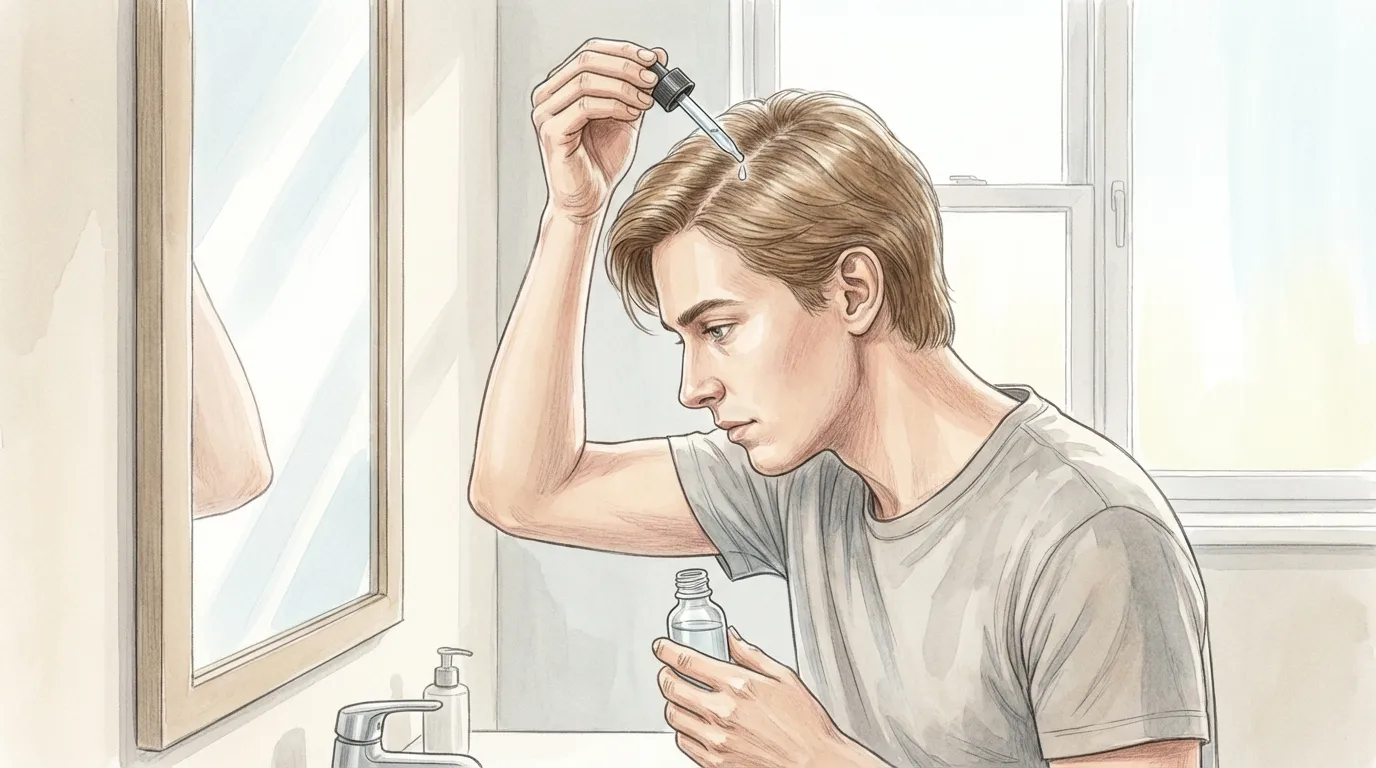
Once someone enrolls, daily life in a trial is usually easier than people expect, which often comes as a surprise. Most non-hormonal topical studies involve applying a solution or foam to the scalp once or twice a day. This is usually done at home, on a flexible schedule, without any complicated setup. For many people, it simply becomes part of their normal routine instead of feeling disruptive.
Tracking use is part of the process. Some studies use digital reminders, while others check returned bottles or simple logs during visits. Clinic appointments are usually spaced out every few months and focus on hair counts, photos, and short check-ins. These visits tend to be brief and straightforward.
What people notice most is how little changes beyond the application itself. Participants generally keep working, exercising, and styling their hair as usual, as long as they follow the guidelines. That’s often why these trials feel easier to manage than options that require frequent clinic visits or invasive procedures.
There’s also a short explainer video that goes over how these treatments are thought to work and why researchers study them this way. It’s brief but useful for context.
Discomfort is a common concern. Most topical regenerative trials report only mild scalp irritation, and many participants hardly notice anything at all. Serious side effects are uncommon, especially compared with systemic options.
Mistakes can happen. Missing applications or changing hair products without approval can affect results, so staying consistent usually matters. Keeping in touch with coordinators and asking questions early often helps everything run more smoothly.
Comparing Regenerative Trials to Traditional Hair Loss Options
What often grabs people’s attention first is the idea of restarting growth, not just slowing hair loss. That’s where regenerative trials feel different, and it can change expectations right away, including how patient someone needs to be. It’s fair to ask how this stacks up against standard treatments. Traditional options like finasteride and minoxidil focus on slowing ongoing loss instead of reversing it, which, in my view, tends to reflect more short‑term goals.
Among newer topical treatments being studied is clascoterone. It has reached late‑stage trials and is showing promising results so far, which sounds encouraging. Even so, experts usually point to realistic expectations, there are no quick fixes, and progress tends to be gradual and careful.
Another change worth noting is how regenerative approaches may work alongside existing treatments. Many trials now look at whether new topicals can be safely used with minoxidil instead of replacing it, which could lead to more personal plans that fit different needs.
Clascoterone is the most advanced of the newer treatments and may become a useful topical option, particularly for women, but it is not a cure and is unlikely to replace existing treatments.
This kind of honesty matters. Clinical trials aren’t miracles; they move forward in small, careful steps. Success often means thicker hair, better density, or slower loss over time, not fixing everything at once. In fact, ongoing clinical trials hair loss data continues to refine what researchers understand about gradual improvement versus complete reversal.
Costs, Access, and the Future of Hair Loss Trials
For many people, the first thing they notice is the lower cost. Most clinical trials cover both treatment and testing, so participants usually don’t pay out of pocket, which is honestly a relief. That alone often drives interest more than anything else, at least in my view. Some programs also help with travel costs, and if you live far away, you know how much that support can matter.
Access is usually the tougher issue. Many Phase III trials are still based in major cities, and early-phase studies are often selective, which limits who can realistically join. That can feel discouraging.
There are some positive changes. Online recruitment tools and tele-dermatology screening now let people do pre-screening from home, cutting down on travel and missed work. It’s a small shift, but it helps.
Looking ahead, hair loss research feels promising. Current trends include:
- Larger topical-only trials
- Use of AI scalp imaging
- Focus on stem cell activation
- Combination-friendly designs
For treatments like PP405, Phase 3 studies are expected soon, which feels like a hopeful sign to me. Moreover, the future of clinical trials hair loss research seems to center on accessibility and precision, improving both recruitment and outcome reliability.
The Bottom Line: Deciding If a Trial Is Right for You
Clinical trials for hair loss treatments don’t have to feel intimidating. Once the goals and rules are clear, and they’re usually explained in plain language, the process often feels easier to handle. From what I’ve seen, that basic understanding alone can change how people think about joining.
For people with early to moderate androgenetic alopecia who want non-hormonal options, trials may offer early access to care that’s still being studied. That can feel exciting, and for many, it is. There’s also a wider reason people join: helping move research forward in ways that could help millions down the road.
Mindset matters too. Trials ask for patience and realistic expectations, and results can differ a lot from one person to another. Still, every participant adds useful data, even when changes are subtle, because that’s often how research progresses.
It helps to review the participation guidelines carefully and think about your schedule and comfort level. Why rush that step? Asking questions and deciding with confidence can make the experience feel more positive, especially with something as personal as hair loss.