Hair loss can feel very personal, especially when it starts earlier than expected and catches people off guard. When thinning shows up sooner, many people skip the usual pills or hormone-based treatments and start looking at other options. That curiosity often leads to clinical trials, which can give access to new topical treatments and regenerative therapies years before they’re available to everyone. The trade-off is commitment. Progress is tracked through regular clinic visits, and patience is usually needed. It’s rarely a quick fix.
What makes trials appealing is also what makes them demanding. This guide helps you decide if joining one likely fits your situation. It explains how hair loss studies are usually run, what the experience is often like, and which questions are worth asking before signing anything. You’re not locked in forever, but there are risks and real time involved. Newer non-hormonal approaches are changing early research, so for early to moderate androgenetic alopecia, understanding the process, like sticking to a visit schedule, can make the choice clearer.
Why Hair Loss Clinical Trials Exist and Who They Are For
Hair loss studies exist mostly because treatment options haven’t changed much in decades, and that long stall is often what frustrates people most. In the United States alone, about 50 million men and 30 million women live with androgenetic alopecia. For men, the lifetime risk can reach 85%, while about 33% of women deal with it at some point. That’s a very large group, usually larger than people assume, which explains why research keeps moving forward. A lot of current work focuses on safer options that act directly on the scalp, rather than treatments that affect the whole body.
Hair loss also has an emotional side that’s often brushed aside. Research often links thinning hair with higher anxiety and lower self-esteem, especially among younger adults, when confidence can already feel shaky. So while looks are part of it, they’re rarely the full picture. Clinical trials don’t only track regrowth. Many also measure changes in daily life using validated patient surveys, and that input often shapes how future treatments are tested and judged.
| Group | People Affected | Lifetime Risk |
|---|---|---|
| Men | 50 million | Up to 85% |
| Women | 30 million | Around 33% |
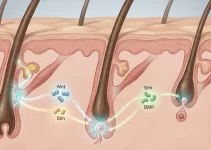
Most modern hair loss trials focus on people with early to moderate thinning. Researchers usually look for follicles that are dormant but still alive, since those have a better chance of responding. That detail matters. Because of this, many studies lean toward topical or regenerative approaches that work locally, instead of hormone suppression. The focus stays on follicle biology and stem cell activity in the scalp.
Advanced baldness is often excluded, and it’s not personal. Fully miniaturized or scarred follicles usually don’t respond well, and trials need clear biological changes within a set timeframe.
Clinical trial participation isn’t only for researchers. It’s for patients who want to help push treatments forward and may see personal benefits along the way, even though results are never guaranteed.
We really don’t have a very effective cream or lotion for hair loss.
Understanding Trial Phases and What They Mean for You
It’s easy to lump all hair loss studies together, but they’re rarely equal. Clinical trials move through phases, and each phase does something different. Knowing which phase a study is in usually helps set realistic expectations about risk and results. This isn’t just academic, this context often shapes how people read headlines and react to early claims.
Early-stage studies usually come with more unanswered questions and very little past data to lean on. Later stages build on findings that have already shown up and been repeated, which usually means less uncertainty. In my view, weighing that tradeoff matters. Most people decide based on how much uncertainty they’re personally okay with versus how much proof they want first, and that comfort level often matters more than they admit (which is normal).
| Trial Phase | Main Goal | Typical Size |
|---|---|---|
| Phase 1 | Safety and dosage | 20, 40 people |
| Phase 2 | Early effectiveness | 40, 100 people |
| Phase 3 | Confirm results | 100+ people |
Phase 1 trials focus mainly on safety and how the body processes a treatment. Phase 2 looks more closely at whether it actually works, while still tracking safety before anything moves closer to possible FDA review. Right now, many hair loss studies, especially non-hormonal topical treatments, are in Phase 1 or Phase 2, which is pretty typical.
PP405 is a good example. It’s a topical treatment meant to activate dormant follicle stem cells. Its Phase 2a trial included about 60 participants, which is a common size for hair research. Smaller groups usually allow closer monitoring and more detailed scalp measurements, which helps cut down on background noise.
Phase 2 trials often test multiple doses. Different strengths go to different participants so researchers can see what works best with the fewest side effects. This is also where placebo groups usually show up. Often, 25% to 50% of participants receive a placebo. That can feel discouraging, but placebo control is a big reason later results are taken seriously, even when the wait feels frustrating.
What Participation Really Looks Like Day to Day
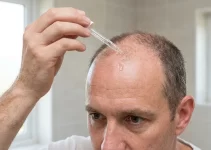
What surprises most people is that hair loss studies are rarely hands-off. The biggest surprise is how much daily routine shapes the experience. It usually takes planning and steady habits every day, and it’s more repetitive than exciting. Most topical trials ask for daily application, sometimes twice a day, and consistency matters more than many people expect. Skipping doses, even just a few, can be enough to get someone removed from a study, which happens more often than you might think.
That routine also includes regular clinic visits. You’ll come in often for scalp photos and detailed hair counts during check-ins. Some studies last 12 to 24 weeks, while others go on longer. Blood tests are usually uncommon in non-systemic trials, which many participants quietly appreciate, a small relief, but still a relief.
Time quickly becomes another real factor. Some appointments, especially the first and last visits, can take one to two hours. If the clinic is far from home or work, flexible scheduling often matters more than expected.
Shedding can catch people off guard. Early, temporary shedding often shows up as follicles reset their growth cycle. That doesn’t automatically mean the treatment isn’t working, but it can feel stressful if you weren’t ready for it (very stressful, in my view).
Keeping a simple photo log or short journal often helps people stay grounded. During the quiet early weeks, noticing small changes, like a bit less hair in the shower, can make the process feel easier to handle.
According to Dr. Jerry Shapiro, a leading dermatologist involved in hair research, early results in some trials have been remarkable.
Achieving this amount of hair growth in just five weeks in a clinical trial is unprecedented.
Benefits and Risks You Should Weigh Carefully
One clear benefit of joining a clinical trial is access. People may try a treatment years before it’s available to the public, which can feel like a rare chance, especially after many other options haven’t worked. Early access often matters most in those moments. There’s also close medical care, usually at no cost, with regular check-ins that many find calming and supportive, especially when it helps to know progress is being watched closely.
For some participants, helping science is part of the draw. Data from hair loss trials often shapes future treatments, including how dosing and safety rules are set. That kind of impact feels real to me. It can help people far beyond the study itself, sometimes years later, even when personal results don’t show up right away, which does happen.
Still, the risks deserve careful thought. New treatments can miss the mark, and results may be weak or fade over time. Side effects aren’t always clear early on. There’s uncertainty, and months may pass without visible change. Some trials require stopping other treatments, even ones that help, which can lead to short-term setbacks.
| Potential Benefit | Potential Risk |
|---|---|
| Early access to new therapy | No guaranteed results |
| Low or no cost care | Possible placebo assignment |
| Expert monitoring | Time commitment |
Post-trial access is another detail that catches people off guard. Finishing a study doesn’t always mean you can keep using the treatment, so asking early helps. Extension studies do exist, but they’re never guaranteed.
How New Non-Hormonal and Regenerative Trials Are Changing Things
What’s catching attention right now is how fast hair loss research is moving. Hormone-based options are still around, but many newer trials are turning toward what’s happening in the scalp itself instead of changing hormones across the whole body, which can feel like a big trade-off. That shift alone helps explain why interest feels higher than it has in quite some time.
Some studies look at stem-cell-derived signals that help restart the hair growth cycle, while others examine MPC inhibition. Different routes, same goal. The general aim is to support regrowth in a way that stays limited to the scalp, so the rest of the body isn’t pulled into it. Because of this, these trials often seem easier to consider, especially for people who are naturally cautious (which I completely get).
Non-hormonal options can ease worries about sexual side effects or long-term hormone disruption. Those concerns come up often with older treatments and are a common reason people hesitate.
Because of ET-02’s unique mechanism of action, we believe it has the potential to not only treat androgenic alopecia but prevent it.
Sites like https://pp405info.com/ focus on following these updates and explaining what really matters, without the marketing noise. Staying informed makes it simpler to find trials that fit real comfort levels and personal goals.
As progress picks up, knowing how a treatment works can matter just as much as growth numbers, sometimes even more, I think.
Practical Questions to Ask Before You Enroll
Travel time, parking, and how often you need to visit can shape the experience more than most people expect, so it helps to look at logistics early. Gas and parking costs can add up fast, and some trials cover them. It’s better to ask upfront than be surprised later.
Eligibility rules come next. Many studies require a washout period if you have used minoxidil or finasteride before, which can affect your timing. It’s helpful to ask about the full trial length and how often visits are planned.
Results tracking is another area to clear up. Some trials use hair counts or standardized photos, often along with patient surveys. In these cases, numbers usually matter more than impressions when comparing progress. Numbers over feelings, as people often say.
Also check who sponsors the study and whether results are expected to be published. Clear answers often point to a well-run trial. A short checklist helps, and if answers feel rushed or unclear, slowing down and asking follow-up questions can really help.
Making an Informed Choice and Moving Forward
For many people with early to moderate androgenetic alopecia, joining research can feel like a way to regain some control after a long period of waiting. That feeling of movement often matters more than it seems, especially when progress has felt slow for a while. Hair loss studies aren’t magic fixes, but they can still offer a real way forward for some people, often more than expected. Taking part helps move science ahead and, for some participants, may bring personal benefits along the way, even though nothing is promised.
I think it works best to go in with open eyes. Realistic expectations usually beat hoping for quick results. If non-hormonal, topical options or regenerative therapies spark curiosity, learning how trials work can feel empowering. One helpful approach is to understand the process, lean on trusted educational resources, and talk with qualified professionals; even a short conversation often clears up confusion.
You may also find that connecting with past participants through forums or patient advocacy groups gives a clearer picture of both the positives and the parts that required patience, like staying in a study long enough to notice gradual changes.