Starting a hair regrowth treatment often brings a mix of hope and confusion (yeah, both can show up together). People who notice thinning hair or early pattern loss usually want to know what really happens once they begin. Do results show up fast, or does progress move slower than expected? Shedding is another common worry, especially the fear that things might look worse before they get better (that question comes up a lot). That concern makes sense. This guide answers those questions in plain, everyday language, without heavy medical terms or tricky explanations, so readers don’t feel left in the dark about what’s actually happening.
The focus stays on real patient experiences with early to moderate androgenetic alopecia (nothing extreme here). It also includes findings from recent clinical research on non-hormonal, topical hair regrowth treatments, including newer regenerative options. These approaches work by waking up dormant hair follicles rather than changing hormones. Along the way, it explains what people usually notice, how changes tend to unfold over time, and what realistic expectations look like, without hype or scare tactics.
Why expectations matter in hair regrowth treatment
Unmet expectations are one of the main reasons people stop a hair regrowth treatment early. Many hope to see new hair within a few weeks (who wouldn’t?), but hair biology works on a much slower clock. Growth runs in cycles, and follicles need time before they respond to anything applied to them. Fast results just aren’t part of how this works.
Clinical studies on topical and regenerative therapies show that the first changes often happen below the surface. They’re easy to miss. Some patients notice less shedding at first. Others say their scalp feels calmer, with less tightness or irritation. Visible regrowth comes later. Without this context, the early stage can feel discouraging or make someone wonder if the treatment is doing anything at all.
Research on newer topical options points to a clearer timeline. Noticeable changes usually appear between 8 and 24 weeks. That surprises many people, but it explains a common pattern: people who stay with treatment long enough tend to see progress, while those who stop early never get to find out what might have happened.
To make this easier to picture, below is a simple snapshot of what patients often report across several treatment types.
| Timeframe | Common Patient Experience | What Is Happening Biologically |
|---|---|---|
| Weeks 0 to 6 | Less shedding or no visible change | Follicles shift into growth phase |
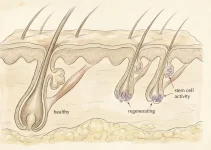
| Weeks 8 to 12 | Fine new hairs appear | Stem cells activate and produce vellus hairs |
| Months 4 to 6 | Thicker and darker hair | Hairs mature into terminal strands |
What patients actually feel during the first months
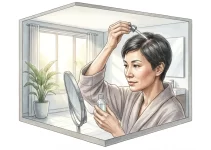
The emotional side often shows up before the physical changes. In the early months, many people are surprised by how much time they spend checking their reflection. The mirror turns into a daily checkpoint, with angles and lighting getting more attention than expected (yes, that part). Tiny changes can feel huge, and once that habit starts, it’s easy to pick apart every detail.
Early on, often in the first few weeks, some people notice extra shedding. It can be unsettling, especially if no one mentioned it ahead of time. Still, this phase usually means weaker hairs are falling out to make room for stronger growth. At the same time, others feel nothing at all. No tingling. No sensation. That quiet stretch can shake your confidence, even though not feeling anything doesn’t mean nothing is happening.
Around month two or three, short, soft hairs may appear along the hairline or crown. They’re lighter, almost fuzzy, and easy to miss without close checks or regular photos. This is when doubt often creeps in, and the “is this real or am I imagining it?” loop starts (it happens a lot).
Dermatologists often suggest taking photos under the same lighting each time. People who do this tend to feel more confident sticking with a hair regrowth treatment, because photos show changes the mirror can miss.
Insights from clinical research and expert voices
Hair regrowth research has taken a clear turn. The focus has moved past just slowing hair loss, a route most people already know. Researchers are now looking at ways to wake up follicles that have gone quiet and guide them back into a growth phase. This shift matters most for early to moderate androgenetic alopecia, when follicles are still present and able to respond. Catching that window can make a real difference.
William Lowry, a UCLA stem cell researcher, explains where older treatments miss the mark. He keeps things clear and down to earth, pointing out real limits instead of hype.
There are only two FDA-approved treatments for androgenetic alopecia (AGA, or pattern baldness): minoxidil and finasteride. They are both limited in efficacy and improve hair in only a portion of patients who take them.
Several new topical therapies in clinical trials are drawing interest because they work right where they’re applied, without affecting the whole body. In one Phase 2a trial, a new topical led to over a 20 percent increase in hair density for about one third of participants within eight weeks. The placebo group stayed near baseline, with no measurable change.
A separate first‑in‑human topical study stood out even sooner, with visible changes appearing shortly after treatment started.
Achieving this amount of hair growth in just five weeks in a clinical trial is unprecedented.
Common mistakes patients make and how to avoid them
Even strong treatments can stall when small habits get in the way. That’s why the same frustrations show up again and again in patient stories.
Stopping too early causes the most trouble. Hair growth works in cycles, and visible change trails what’s happening under the scalp by months. Quitting around month three often means walking away just before results start to show.
Inconsistent use comes next. Topicals need regular exposure to work well, so missed days slow progress and drag out timelines. Patients who tie application to something routine, like brushing their teeth, are more likely to stick with it. Regular use matters more than short bursts of effort.
Using too many products at once can also backfire. Mixing treatments makes it hard to tell what’s helping and can irritate the scalp. Many clinicians suggest starting with one well‑studied option and giving it enough time to judge real change.
Dr. Rodney Sinclair, known for his work in hair‑loss drug development, points out that regenerative therapies work best while follicles are still present. Starting earlier often leads to smoother experiences and better results.

Non hormonal topical options and how they compare
Non hormonal topical treatments are getting more attention, especially from people who want to avoid hormone-based options. Growth stimulators and regenerative approaches like platelet rich plasma (PRP) sit at the center of this interest, with most people watching closely but not jumping in without thinking it through.
Minoxidil still has the longest track record. Around 60 to 70 percent of users see visible regrowth within six months, which helps explain why it stays popular. The downside is the daily routine and possible scalp irritation, both of which turn some people away. It usually becomes clear pretty quickly if it fits into someone’s day-to-day life.
PRP is more hands-on. It involves injections and repeat maintenance sessions, and while many patients report thicker hair, results vary and costs add up over time.
Newer regenerative topicals aim to activate follicle stem cells directly. Early patient feedback mentions easier routines and fewer side effects, but these treatments are still in clinical trials, so expectations stay realistic.
People who follow research updates usually want details, not hype. Sites like https://pp405info.com/ stand out by explaining mechanisms, timelines, and trial results in plain language, which makes them especially helpful for understanding modern hair regrowth treatment options.
The bottom line for your hair regrowth journey
Hair regrowth treatments move at their own pace. Results usually build slowly, and patience plus consistency often matter more than any single product choice (even if waiting feels frustrating). What helps most is having realistic expectations. Many patient stories follow a similar pattern: very small changes at first, then steady improvement over time. There’s no real way to speed that up.
For people in the early to moderate stages of androgenetic alopecia, the outlook is often better than expected. Dormant follicles can sometimes wake back up, and newer topical options have made that feel more possible than it once was. That change has shifted how many people think about starting treatment and sticking with it.
You’ll spot progress more easily if you have something to compare against. Photos give context that mirrors don’t. Giving one plan at least six months makes it easier to judge results, since early gains are easy to miss. Research keeps changing, so staying curious instead of discouraged can really help.
Feeling unsure at the start is normal. Many people who now share positive patient stories began in the same place, learning things step by step. Staying informed, asking questions, and focusing on clear information helps cut through confusion, and that alone can make the journey feel more manageable.