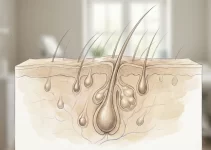
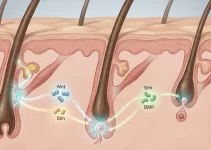
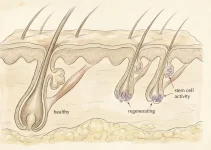
Hair loss often feels personal, sometimes more than you expect. When it starts early or slowly builds over time, stress and confusion can show up fast. Many people dealing with androgenetic alopecia want support, just not at any cost. Hormonal drugs don’t work for everyone, and worries about side effects and long-term use often push people to look for other options. Because of this, non-hormonal and topical treatments are getting more attention in clinical research, especially choices that aim to support regrowth without changing hormone levels. For many, these approaches are seen as part of a growing field of emerging treatments designed to offer safer alternatives.
This guide looks at promising emerging treatments for androgenetic alopecia with a clear focus on non-hormonal options. That means no hormone-based solutions here. The options covered include anti-inflammatory topicals and light-based devices, along with how each one works and what current research really shows, including the limits. Safety and cost matter too, since these details affect real-life decisions. For anyone in the early to moderate stages of hair loss who wants science-backed options, this article covers what’s worth knowing.
Why Non-Hormonal Approaches Matter More Than Ever
For decades, options for treating androgenetic alopecia stayed limited. Most focused on hormones or blood flow, and results were mixed at best. Some people saw improvement, others barely noticed a change. Many quit because of side effects or small gains (yeah, that’s frustrating). Over time, this pattern pushed attention toward non-hormonal treatments that work through different pathways.
Dermatologists now openly point to this gap in care. The limitation is easy to see, and it comes up often in clinical conversations. One expert puts it this way:
Currently, topical minoxidil and finasteride are the only treatments that have been FDA approved for the treatment of female pattern hair loss and androgenetic alopecia. Given the incomplete efficacy and side effect profile of these medications, some patients utilize alternative treatments…
That view has shifted research priorities. New studies look at inflammation along with stem-cell-driven follicle health, instead of blocking hormones outright. The focus moves to improving the scalp environment itself. For people with early to moderate hair loss, this matters because follicles are weakened, not gone, and can still respond.
Clinical data is starting to support this. Several non-hormonal topical treatments now have randomized controlled trials. Device-based therapies also show clear gains in density and thickness. These findings are driving real interest, as shown in the table below.
| Treatment | Key Result | Study Length |
|---|---|---|
| Topical Cetirizine 1% | 33.3% photographic improvement | 6 months |
| Low-Level Laser Therapy | 37% increase in terminal hairs | 16 weeks |
| Topical Procyanidin | Increased density and diameter | Up to 6 months |
Anti-Inflammatory Topicals Showing Real Results in Emerging Treatments
Inflammation often sits quietly behind androgenetic alopecia, but it adds up over time. It pushes hair follicles to shrink sooner and shortens the growth phase. That link helps explain why anti-inflammatory topicals now show up more often in newer treatment plans. When irritation drops, the scalp usually stays calmer, and people can see the difference.
Topical cetirizine is one of the best-studied options. Most people know it as an allergy medication, so seeing it used on the scalp can feel surprising. On skin, it lowers prostaglandin D2, a compound tied to slowed hair growth. In controlled studies, men using cetirizine had visible regrowth compared to placebo. The changes didn’t happen overnight, but they were clear with regular use.
Topical procyanidin is another option. These plant-based compounds help support the anagen, or growth, phase of hair. Several studies report thicker hairs, better density, and changes within a few months. Rosemary oil has also gained interest. In one six‑month study, it matched the results of a widely used standard topical, which surprised many skeptics.
Researchers reviewing this group of treatments found encouraging patterns:
Comparatively, topical procyanidin and topical cetirizine were the two agents with more robust evidence, having been investigated in 4 RCTs and 3 RCTs, respectively. Cetirizine and rosemary oil had demonstrated efficacies comparable to that of minoxidil.
These options fit well for people who want simple routines. Most are applied once or twice a day, without extra steps. Side effects are usually mild. The biggest challenge is patience. Hair grows slowly, and consistent use over months leads to visible change.
Device-Based Therapies Without Drugs
Some hair regrowth options skip bottles altogether, and for many people, that’s the draw. Device-based therapies offer a drug-free path, which can be a relief if you want to avoid pills or topical meds. The most common option is low-level laser therapy, often called LLLT. These devices use focused light aimed right at the hair follicles. No pills, no creams, just controlled light exposure.
What makes LLLT worth a look is how it helps the follicle itself. The light raises cellular energy, which can help hair stay in the growth phase longer. That matters because longer growth phases are linked to thicker, more stable strands. Clinical trials show higher terminal hair counts in both men and women. Another plus: there’s no whole‑body exposure, so nothing moves through the bloodstream.
Sessions are short and usually done a few times a week, which makes them easy to fit into a normal routine. Many people also pair devices with topical treatments to get more from their results. The main downside is cost. Well-made devices can be pricey, and insurance rarely covers them.
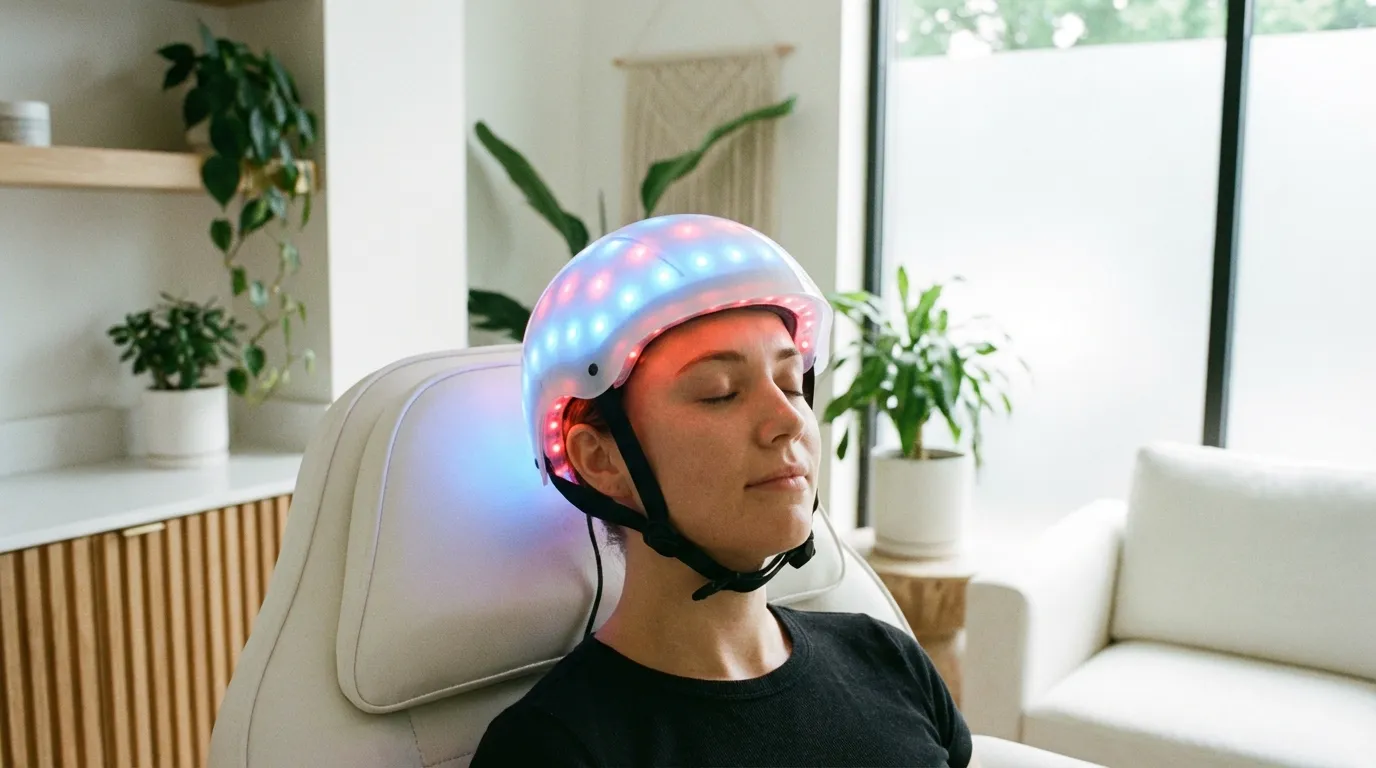
The video below walks through how light-based therapy fits into a real routine, who usually benefits, and what regular use actually looks like. Clear explanations with real examples.
A common problem is overdoing it. Extra sessions don’t help and can irritate the scalp. Sticking to the suggested schedule usually leads to more consistent results over time, even if progress feels slow at first.
Regenerative Therapies Targeting Follicle Stem Cells in Emerging Treatments
Regenerative medicine has brought a new angle to treating androgenetic alopecia, with attention squarely on follicle stem cells. Instead of only slowing hair shedding, these treatments try to wake up follicles that have gone quiet. The goal isn’t just prevention anymore. It’s real regrowth, starting at the source of hair growth itself.
PP405 is often named as an early example. It’s a topical formula that works on metabolic pathways inside follicle stem cells. In early trials, some participants showed clear increases in hair density, not just small cosmetic shifts. Another important point is that it doesn’t affect hormone levels, which sets it apart from many familiar drug options.
A leader in this research explained why this matters:
The advancement of our lead program, PP405, into Phase 2a is a pivotal moment in our journey to deliver a non-invasive, innovative treatment for androgenetic alopecia across all genders, skin types, and hair types.
For people tracking progress closely, platforms like PP405 often share clearer trial updates with less marketing noise. Availability remains the main issue. These therapies are still in clinical testing, but several stem-cell-focused topicals are moving further through trials and could change how early hair loss is treated.
Practical Guidance: Safety, Cost, and Access
Picking between new treatment options takes some hope and a level head. Safety comes first, and non-hormonal topicals usually have fewer whole‑body risks. Patch testing still matters, even if you’re eager to move quickly, and talking with a medical professional helps keep expectations realistic.
Cost also plays a big role. Botanical topicals are often affordable for long‑term use, while devices and regenerative therapies cost more and often come with repeat expenses. Some choices are only available through clinical trials, which means rules about who can join and when can slow the process.
A few simple habits can make decisions clearer. Results tend to be better when follicles are still active, so starting sooner helps. Adding just one new treatment at a time makes reactions easier to notice. Most options need around six months before changes are clear, and progress is easiest to track with photos taken under the same lighting.
Using too many products at once can irritate the scalp and make it harder to tell what’s actually helping. Emerging treatments often emphasize consistency over complexity, reminding users that patience and steady use lead to the best outcomes.
The Bottom Line on Moving Forward With Confidence
Non-hormonal options for androgenetic alopecia are no longer just a side note, they mark a real change in how hair loss can be treated. That matters because hair loss often feels overwhelming, and it helps to know the list of options keeps growing. Anti-inflammatory and regenerative therapies, along with light-based devices, are now part of everyday care. Backed by clinical research, these options show results in early to moderate stages, which helps separate them from hype-based fixes.
For many people, what really stands out is the sense of control. There are more ways to act without changing hormones, which matters if hormones aren’t a good fit. Less guessing, more clear choice. The focus stays on evidence-backed consistency and goals that fit your situation, not someone else’s timeline.
Thinking about a next step? A dermatologist who knows these emerging treatments can help you compare trials, timelines, and what fits your stage of hair loss. There’s no rush. With patience and a plan that fits you, progress can feel possible again.