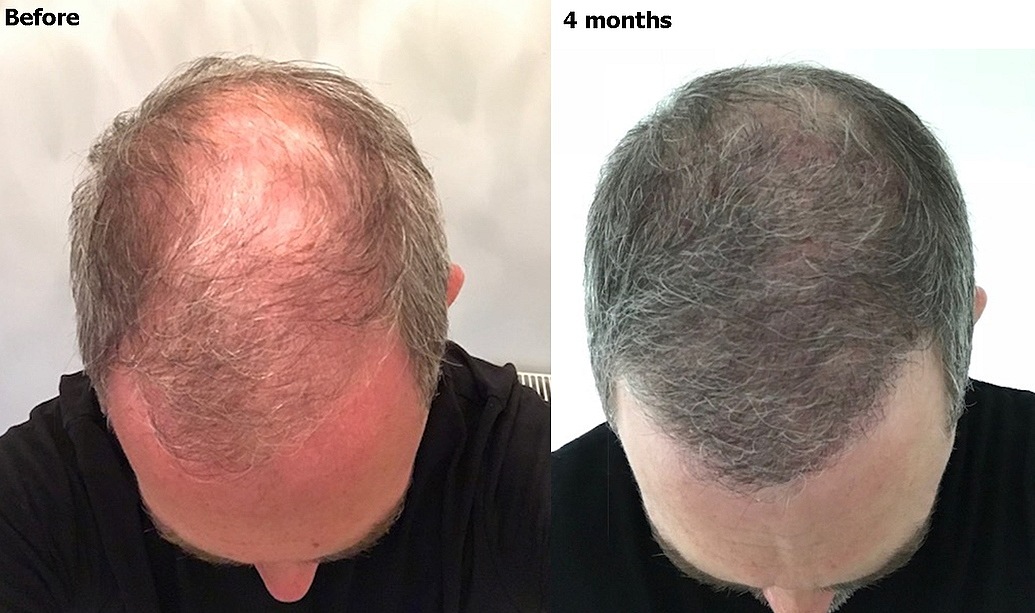
PP405 Hair Treatment
Here’s what PP405 Hair Treatment is all about:
What is PP405?
PP405 is a topical small‐molecule compound developed from UCLA research and further advanced by Pelage Pharmaceuticals. It targets dormant hair follicle stem cells, awakening them to re-enter the hair growth (anagen) phase
It works as an MPC (mitochondrial pyruvate carrier) inhibitor, shifting cell energy production toward glycolysis. This increases markers of cell proliferation (Ki67, LDH) and incentivizes follicles to grow hair again
Clinical Evidence & Safety
Phase 1 (2023): Fully topical, well-tolerated, no systemic absorption, and induced early stem cell activation in scalp tissues
Phase 2a (2025): A randomized controlled trial involving 78 patients with androgenetic alopecia showed:
31% of men achieved > 20% hair density increase by week 8 versus 0% in placebo group.
New hair growth from previously inactive follicles.
Passed safety and pharmacokinetic goals; zero systemic absorption
Phase 3 is expected to start around 2026/27, with potential market availability between 2027–2030
Pros & Cons
Benefits
Non-hormonal: Avoids DHT‑blocking side effects (e.g. sexual changes).
Targeted action: Directly revives follicle stem cells.
Topical use: Easy application, minimal systemic exposure.
Fast onset: Visible results appeared within 8 weeks, compared to 6–12 months for current treatments
Limitations
Still investigational: Not yet FDA-approved or commercially available.
May not reverse miniaturized (vellus) hairs—likely reactivates dormant but intact follicles
Long-term safety, optimal dosing, and market timing remain unknown until Phase 3 results
What Users Are Saying
“PP405’s capabilities are more about spurring dormant hair follicles back into growth… it does not indicate promise of bringing back miniaturized or vellus hairs.”
That rings true—even though exciting, this isn’t yet a cure-all.
Summary for You
PP405 is a promising regenerative, non-hormonal topical therapy showing early clinical success.
It targets the root of hair regrowth, rather than masking symptoms.
It offers faster onset and a strong safety profile so far.
However, it’s still in trials—commercial availability is years away.
If you need treatment now, continuing with approved options like minoxidil, Finasteride, PRP, or exosomes remains the gold standard.