Hair loss can really knock your confidence, especially when common fixes either don’t do much or come with side effects you’d rather skip. If you’re dealing with early to moderate androgenetic alopecia, the big question is often which other options might truly help. Introducing clinical trial participation early in your search can open doors to treatments not yet available to the public.
Right now, a few non-hormonal topical treatments are being tested in clinical trials, and some early findings look promising, though it’s still too early to say they’ll be a sure solution. Joining a study lets you try a possible new treatment before it’s sold in stores, while also helping researchers move hair-loss research ahead.
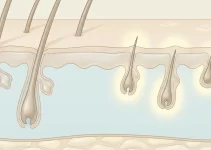
One example is PP405, a treatment made to wake up inactive hair follicle stem cells so they might start growing healthy strands again. Here’s how you could join a trial like that.
Why Clinical Trial Participation Matters
Joining a clinical trial isn’t just about trying something new, it’s about giving researchers the missing information they need to figure out what works best, for which people, and in what situations. Androgenetic alopecia affects more than half of men over 50 (which is a huge number), and it’s becoming more common in women too, especially after menopause. Treatments like minoxidil and finasteride have been used for decades, but they aren’t perfect. Some people see only small changes, and side effects can be enough to make others stop using them.
Take PP405 from Pelage Pharmaceuticals, mid-stage results showed a 31% increase in hair density, which is pretty impressive. These newer methods focus on things like MPC inhibition and stem cell activation, often avoiding hormonal side effects. Clinical trial participation helps fine-tune doses, figure out who benefits most, and move promising options toward approval, turning lab progress into real help for people dealing with hair loss.
Understanding the Different Trial Phases in Clinical Trial Participation
Let’s start with the part most people find exciting: the later trial phases often include hundreds or even thousands of people, which usually makes the results feel more reliable. But the process begins much earlier, and each phase has its own purpose:
- Phase 1: Looks mainly at safety, using a small group of healthy volunteers to spot any early problems.
- Phase 2: Checks both safety and how well it works in people with the condition, adjusting the dose and seeing who benefits most.
- Phase 3: Involves much larger groups to confirm results, watch for side effects, and collect more complete data.
- Phase 4: Happens after approval, tracking long-term outcomes and spotting new concerns that might show up later.
For something like hair regrowth, Phase 2 can start showing signs of progress, while Phase 3 tests those results in a wider mix of people. Knowing these stages gives a clearer idea of how long things may take and helps judge how strong the evidence really is.
| Phase | Purpose | Typical Size |
|---|---|---|
| Phase 1 | Safety | 20-100 participants |
| Phase 2 | Efficacy & safety | 100-300 participants |
| Phase 3 | Confirmation | 300-3,000 participants |
Eligibility Criteria for Clinical Trial Participation in Hair Loss Trials
Hair loss trials each have their own rules, but many follow similar basic requirements.
- You’ll usually need a confirmed diagnosis of early to moderate androgenetic alopecia.
- Most trials accept participants between 18 and 65 years old.
- You can’t have used other hair loss treatments recently, there’s often a “washout” period lasting weeks or even months.
- You should be in generally good health, with no scalp infections or untreated serious conditions.
These rules aren’t meant to be overly strict, they help keep results accurate and protect everyone involved. For example, scalp dermatitis can affect outcomes, so it’s often a reason for exclusion. Some studies also measure your starting hair density to make tracking progress easier. Being honest about your health and routines during screening can save time and help you find a trial that’s a good fit.
The Clinical Trial Participation Process Step-by-Step
Most hair-related trials tend to follow a similar path, though each study can add its own twists.
- Pre-screening: You’ll answer some health questions, then have a close scalp check so the team can see hair and skin details clearly.
- Baseline measurements: Hair density and thickness are measured using trichoscopy, and you might also get quick extra tests, like tracking growth speed or checking scalp moisture.
- Randomization: You’re placed in the treatment group, placebo group, or sometimes a third comparison group, which helps keep results fair.
- Follow-up visits: These can be monthly or spaced farther apart, depending on the study plan.
- End-of-study evaluation: Results are reviewed, and sometimes you may be asked to join an extension or related project.
Extra requests can appear, blood samples or small scalp biopsies, to better understand changes. Photos are taken with the same lighting and angles, often showing differences you might miss day to day. Knowing these steps ahead makes it easier to arrange work breaks, travel, or even bring snacks for longer sessions.
Safety and Ethics in Clinical Trial Participation for Hair Loss Trials
Hair loss trials follow strict rules, FDA guidelines in the US and EMA standards in Europe, to keep things safe and fair. Before signing up, participants get an informed consent form that explains risks and possible benefits in clear, everyday language instead of heavy medical jargon. If someone decides the trial isn’t right for them, they can leave at any time without pressure or criticism.
Behind the scenes, independent review boards check the results to make sure safety stays on track. Participants are treated as people, not just data, and their privacy is protected. Any side effects are handled quickly, with emergency plans and 24/7 contact lines ready. The goal is to keep health first, and regular talks with the study team help build trust.
Trends in Hair Loss Treatment Research
Right now, research is buzzing about non-hormonal topicals, smart regenerative pairings, and mixing different therapies in ways that weren’t common a few years back, changes that make the field feel more fresh and optimistic.
- Non-hormonal topicals: Treatments like PP405 and clascoterone are being studied to avoid the hormonal side effects many people worry about.
- Regenerative therapy combos: Some studies combine stem cell methods with topical formulas, sometimes adding devices for extra effect, like a mix of tech and biology working together.
- Early intervention and steady upkeep: Researchers focus on catching hair thinning early and keeping progress steady, instead of just chasing quick fixes.
Conference findings show combo approaches can improve results by about 40% over single methods, especially when started early. Microneedle patches help treatments reach deeper scalp layers, making absorption better.
For a side-by-side look at how different topicals compare, see: Topical Hair Regrowth Treatments: Effectiveness Compared. You can also explore more about non-hormonal hair loss treatment options for additional insights.
Practical Tips for Clinical Trial Participation
- Do your homework: Before getting too excited, check the study’s “who can join” and “who can’t” sections, these are often in a PDF or listed on the trial’s website, so you can quickly tell if you’re in the right group.
- Ask questions: It’s easier to say yes when you know what’s coming, so ask about possible results, side effects, changes to your routine, and extras like extra clinic visits or blood tests.
- Plan for commitment: Some trials run for months or longer, and they usually expect steady participation, even when the timing is tricky.
- Track how you’re doing: Jot down changes, like shifts in your hair, your mood, or unusual moments, since these notes can become helpful for later reviews.
It’s a good idea to bring your dermatologist in early. Printed trial info can help them quickly see if the approach works safely with your current treatment plan and is worth exploring. For more preparation guidance, see Topical Hair Regrowth Treatment Protocols: Best Practices.
Common Mistakes to Avoid
- Not following instructions: Missing planned applications or skipping check-ins often slows progress and frustrates the team tracking your results. It can also weaken the study’s data, making the findings less dependable.
- Joining too late or skipping early steps: If someone waits until hair loss is clearly noticeable, or puts off starting, the chances of seeing real improvement usually drop.
- Ignoring washout periods or mixing treatments: Using extra shampoos or serums during the trial can mess with the results, making the data harder to read.
Something people often forget? Reporting even small side effects quickly. Those updates can help keep things safe and reassuring. And stopping regular use in the middle of the trial changes everything, consistent use is usually the only way to get results you can trust.
Your Path Forward with Clinical Trial Participation
Ready to explore a new way of tackling hair loss? Joining a clinical trial can be exciting and a bit nerve‑wracking, especially if it’s unfamiliar territory. The ones worth keeping an eye on are often Phase 2 or Phase 3 trials, along with smaller pilot studies, especially if they’re testing non‑hormonal creams or regenerative options like platelet‑rich plasma or stem cell therapy. Getting involved earlier through clinical trial participation can give you a better shot at seeing real results before they become widely available.
You can find helpful tips in Topical Hair Regrowth Treatment Protocols: Best Practices, and Side Effects of Non-Hormonal Hair Loss Treatments offers a clear guide to what might happen. Knowing the full process helps you choose a trial that fits your lifestyle and patience.
Joining isn’t only about personal results, it’s also a way to help research move toward safer, more effective, and possibly more affordable options for everyone.


No Responses