Finding a middle ground is often the goal when hair starts thinning. For early to moderate androgenetic alopecia, non-hormonal topical treatments often fill that spot, focusing on safety, access, and a growing science base. Hair loss can feel heavy, especially when hormonal or systemic meds don’t sound appealing, which is common. Instead of pushing hormones, this article looks at non-hormonal regrowth options, what users notice day to day, how well they work, and where regenerative ideas show up day to day.
Understanding Non-Hormonal Hair Regrowth Approaches
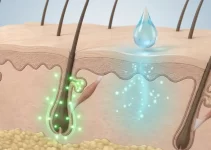
For many people, the main appeal of non-hormonal hair regrowth treatments is the peace of mind they can offer. These options focus on improving hair density, thickness, and scalp health without changing hormone levels across the body. Instead of blocking androgen pathways like hormonal methods, they usually work by supporting follicle function, boosting blood flow to the scalp, calming irritation and inflammation, or increasing activity around the hair root, where new growth often begins. It’s a pretty straightforward idea when you break it down.
Because of that, they often attract people who’ve had bad experiences with hormonal treatments or who worry about long-term side effects, which makes sense. Most non-hormonal options are topical and applied directly to areas like the crown or hairline. This local use helps keep full-body exposure low, which many see as a plus. Results still vary a lot, though. Ingredients, how consistent you are (life happens), and personal biology all matter, so patience usually pays off.
Topical Minoxidil: The Benchmark Non-Hormonal Hair Regrowth Treatment
Topical minoxidil is still the most studied non-hormonal option for hair regrowth, and that long history is why it comes up so often in talks about thinning hair. It actually began as a vasodilator, which was an unexpected start, but doctors noticed better hair growth as a side effect. Over time, studies showed it works by keeping hair in the anagen, or growth, phase longer and by making individual follicles larger. This effect is easiest to see in common thinning spots like the crown and hairline. Minoxidil comes as a liquid or foam, and most people apply it once or twice a day, depending on the formula and what fits into daily life.
Effectiveness: Research shows minoxidil can slow hair loss and support modest regrowth in early to moderate androgenetic alopecia. Results take time. Small changes may show up after three to six months, with clearer improvement closer to a year if use stays consistent.
User Experience: Results vary a lot. Some people see less shedding and fuller-looking hair, while others notice very little. Dryness, itching, or early shedding are common at first and often pass. The biggest downside is sticking with it long term. Once you stop, new growth usually fades over time, which can feel frustrating.
For more details on cost considerations, see the Cost Analysis of New Non-Hormonal Hair Regrowth Treatments.
Caffeine-Based Topicals and Botanical Actives
One thing people notice right away is that caffeine-based hair products are everywhere and usually easy on the scalp, you’ll often see them at drugstores. Research suggests caffeine can help follicle keratinocytes be a bit more active. That’s interesting, but the effect is usually small. Instead of causing brand-new growth, caffeine mostly supports cellular energy, so any slowing of follicle miniaturization tends to happen over time (don’t expect sudden thickness).
These formulas often include plant-based extras. Common ones are rosemary extract, green tea polyphenols, pumpkin seed compounds, and sometimes ginseng. These are added for antioxidant support and to soothe the scalp, which can mean less redness, itching, or flaking with regular use.
Effectiveness: Small clinical trials and real-world reports point to some benefit, mostly in the short term. Results are mild compared with prescription options, so these work best as add-ons or for early thinning.
User Experience: The lightweight feel and low chance of side effects are big pluses. Changes are subtle and usually take weeks or months, like using a topical a few times a week and noticing slightly less shedding.
Peptide and Growth Factor-Based Topicals
The buzz around these formulas comes from a clear promise: using peptide complexes and growth factor-inspired blends to nudge hair follicles back into a growth phase. The goal is to copy some of the same biological signals used in wound healing and tissue repair, which explains why cosmetic science keeps coming back to them in hair care.
Effectiveness: Results aren’t a sure thing. Clinical evidence is still developing, but some studies report gains in hair density and thickness after a few months. Comparisons are hard, since formulas and concentrations vary widely.
User Experience: Before visible regrowth, many users notice smoother hair and less shedding, which can feel reassuring when checking the drain. These products are usually well tolerated, cost more, and tend to work best with steady, long-term use, such as nightly application and a check-in after three to six months.
Microneedling as a Topical Enhancement Strategy
Microneedling is a minimally invasive technique that creates tiny, controlled micro-injuries in the scalp. It can sound intense, but the process is targeted and usually manageable. What matters most is what happens after: these small injuries can kick off a healing response and help topical treatments absorb more evenly. Since microneedling isn’t a topical product, it’s often paired with non-hormonal solutions applied right after, when absorption is better. The main benefit is helping products reach the follicle area more directly, not replacing other treatments.
Effectiveness: Research suggests microneedling can improve how well topical therapies work by triggering growth factors and stem cell activity near follicles. Clinical reports often show higher hair counts and thicker-looking strands over time with consistent sessions.
User Experience: Results vary based on technique, device quality, and aftercare. Temporary redness, sensitivity, or pinpoint bleeding can happen but usually fades fast. When done properly, many see it as a helpful add-on rather than a standalone fix.
For best practices on topical application, see Topical Hair Regrowth Treatment Protocols.
Low-Level Laser Therapy (LLLT)
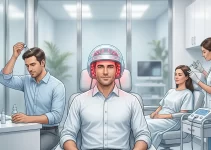
Low-level laser therapy uses specific wavelengths of light to gently stimulate activity inside hair follicles, often helping them move out of a resting phase. It comes in caps, combs, panels, and similar devices, all without needles or medication, which appeals to people who want a simple, low-mess routine at home. Results aren’t fast.
Effectiveness: Clinical trials show LLLT can improve hair density and thickness for many men and women with androgenetic alopecia, but changes usually show up slowly over time.
User Experience: Many people like how easy it is to use and that there’s no greasy residue, while the higher price and the need for steady use over several months can shape how happy they feel with it.
For more on LLLT technology, see this external resource from the National Institutes of Health.
Regenerative Topicals and Conditioned Media
Lately, there’s been a lot of talk around non‑hormonal hair regrowth, especially regenerative topicals like stem cell‑conditioned media and exosome‑inspired formulas. This feels like a clear change in direction, since these products use signaling molecules to help follicles behave more like healthy ones again, without using live cells. That alone makes them feel like a real step forward, and many people are understandably excited about it. Early lab research and small clinical studies often show modest increases in hair density, along with clearer improvements in scalp health, such as less dryness or irritation. That said, long‑term results are still limited, so expectations stay fairly measured. Many users report better scalp comfort first, while visible regrowth can take months, like noticing fine baby hairs slowly filling in around a thinning hairline.
Comparative Summary: Effectiveness vs. Experience
When comparing non-hormonal hair regrowth treatments, a tradeoff shows up pretty fast: stronger results usually mean more waiting. Options with solid clinical backing, like minoxidil or LLLT, are more reliable for most people, in my view, but they need steady, long-term use. That wait can feel frustrating, since changes often show after months, not weeks. Botanical and cosmetic actives are easier to add to daily routines, are usually gentler, and come with fewer side effects, but results tend to be milder and slower.
Regenerative and peptide-based therapies land somewhere in the middle: newer, interesting, more expensive, with research still growing and results that can vary a lot.
Choosing the Right Non-Hormonal Strategy
What catches attention is that non-hormonal options aren’t one-size-fits-all. Results depend on hair loss stage, habits, budget, and how much upkeep someone is okay with. No pressure. When thinning is early, low-risk topicals mixed with supportive options can make sense. As loss becomes more noticeable, many people lean toward combo approaches for stimulation.
Talking with a qualified healthcare or hair restoration pro can help shape a plan and set realistic expectations. It also cuts down on guessing. They work best when started early and used consistently, so patience often makes the difference.
Conclusion
What often stands out is how fast this space is changing. For people with early to moderate androgenetic alopecia, non-hormonal topical options now range from simple daily serums to more science-based formulas, like caffeine blends or peptide mixes. No single product guarantees dramatic regrowth, and it’s rarely a magic fix. Still, many options can slow shedding and help hair look thicker over time. That can feel encouraging for anyone who prefers gentle options, like using a lightweight caffeine serum as part of a regular morning routine.

No Responses