Hair loss showing up sooner than you thought can really catch you off guard, and it’s often an annoying surprise you weren’t prepared for. If you’re dealing with early to moderate androgenetic alopecia, you’re likely looking for something that works without becoming a hassle or causing unwanted side effects. Lately, topical hair regrowth treatments have been getting a lot of attention. Used right on the scalp, they usually bring fewer body-wide issues. Here are the most talked-about choices, how they’re used, and what new studies say.
Why Topical Hair Regrowth Treatments Are Gaining Popularity
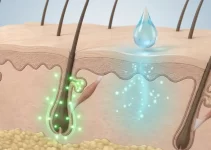
Topical hair regrowth treatments send the active ingredients straight to the scalp, right where the hair follicles are, often the best place to target. By working in one spot, the medication doesn’t spread through the whole body as much, which usually means fewer annoying side effects compared to pills. They’re also simple to apply to certain areas, making them especially useful for patterned hair loss, though they might not work as well for more widespread thinning.
By reducing the body’s production of DHT, finasteride helps preserve hair follicles, slow hair loss, and in many cases, encourage regrowth.
Their growing popularity comes from better formulas, smarter ways to help absorption, and more people choosing gentle, non-invasive options. Methods like liposomal encapsulation or microemulsions help ingredients get into the scalp while keeping overall exposure low. Some people combine long-used treatments like minoxidil with newer regenerative boosters, a mix that’s showing good results. And since catching hair loss early often helps keep improvements longer, more folks are starting these routines at the first signs of shedding.
Topical Finasteride for Topical Hair Regrowth: Hormonal Control with Lower Systemic Risk
Topical finasteride works on dihydrotestosterone (DHT) directly at the scalp, where it’s often the main reason for thinning, helping protect hair follicles from slowly shrinking. Research from 2024 and 2025 found that a 0.25% topical dose can lower scalp DHT by about 68%, which is impressively close to what oral finasteride can do. The big plus? Much less of the drug travels through the rest of your body, making it a trade‑off many people prefer.
| Treatment | DHT Reduction | Regrowth Rate |
|---|---|---|
| Topical Finasteride 0.25% | 68% | Comparable to oral finasteride |
Dr. Antonella Tosti notes that topical finasteride can be a good choice for people who’ve had issues with the oral version. Many users still see noticeable hair regrowth while keeping drug levels in their blood low. For women who may become pregnant, often told to avoid oral finasteride, the topical type is generally a safer option. If hormone‑related side effects are a concern, it’s worth asking your doctor about. Doctors can track progress, adjust the dose if needed, and help keep results moving forward without unwanted surprises.
Possible but not common.
Sexual side effects seem much less common with topical use than with pills. It’s often combined with minoxidil, which boosts scalp blood flow while also working on hormone triggers, tackling two main causes at the same time. Many see this combo as one of the more balanced and effective ways to handle hair loss.
Topical Minoxidil for Topical Hair Regrowth: The Longstanding OTC Standard
For decades, minoxidil has been the go-to over-the-counter choice for helping hair grow, often the first product people think of when the subject comes up. The 5% topical solution, fully FDA-approved, is easy to find in most pharmacies, so you’ve probably walked past it without noticing. It works by boosting blood flow to hair follicles, pushing them into the growth stage and helping them stay there longer. That extra time can slow, and sometimes even reverse, the gradual shrinking of follicles linked to androgenetic alopecia.
In 2024, researchers looked at several studies and found that topical minoxidil could increase hair density by about 15–18% compared to a placebo after six months. For small, patchy spots, it’s often a practical option, treating only the areas that need it without affecting the rest of the body. Many people find it easy to fit into their routine, whether it’s after morning coffee or before bed. For more on how minoxidil works, you can check this detailed guide from the Mayo Clinic.
Results take time. Daily use for months is usually needed, and stopping early often leads to thinning returning. Some people get mild itching, irritation, or flaking. Foam versions are made to lessen those issues and soak in faster, useful if you’re heading out quickly.
Consistency is key when using a hair loss treatment, so the product must be easy to use and not a burden.
Peptide-Based Topicals for Topical Hair Regrowth: Emerging Non-Hormonal Options
Peptide-based treatments work by sending signals that act like gentle reminders for your body’s own systems, encouraging slow follicular stem cells to get moving again. Copper peptides, along with certain other signaling molecules, can help keep the scalp in better shape, calm irritation, and support hair growth without affecting hormone levels. They may also help form tiny new blood vessels and strengthen the extracellular matrix that cushions and supports each follicle, kind of like improving the “living space” around your hair roots so they have a better chance to grow well.
Dr. Jerry Shapiro says these options look especially good for women dealing with pattern hair loss. While more long-term studies are needed, early results show increases in hair part density and a softer, smoother feel, good news for those avoiding hormones or coping with scalp inflammation.
| Peptide Type | Mechanism | Evidence Strength |
|---|---|---|
| Copper peptides | Stimulate stem cells | Emerging |
| Signal peptides | Improve scalp microenvironment | Emerging |
Some people exploring regenerative approaches mix peptides into a bigger plan, pairing them with better nutrition, microneedling, low-level laser therapy, or platelet-rich plasma. Used together, these methods can give follicles a stronger base to grow thicker, healthier hair.
Combination Topicals for Topical Hair Regrowth: Maximizing Synergy
As we move into 2025, one of the most popular trends in hair care is the growth of combination topical treatments. Telehealth clinics and compounding pharmacies are creating custom blends that mix minoxidil with finasteride, often boosted with extras like tretinoin, azelaic acid, or other helpers that let the medicine reach deeper into the scalp. The idea is simple: tackle several causes of hair loss at once, lowering hormonal effects, improving blood flow to follicles, and getting the active ingredients exactly where they’re needed.
For many people, these personalized mixes seem to bring faster, more noticeable results, especially when progress has slowed with a single product or regrowth is thin and uneven. The right mix matters, though, and certain pairings can lead to side effects like redness or irritation. With AI scalp imaging and trichoscopy, doctors can now fine-tune formulas to fit your scalp’s needs and growth goals with a level of accuracy that wasn’t possible just a few years ago.
Regenerative Additives: Future Directions
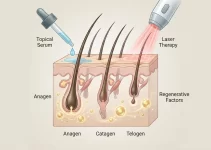
More topical hair products now include growth factors, stem cell activators, and even advanced exosome serums you can buy right off the shelf. These are designed to help cut down shedding while encouraging slow follicles to start producing again. The interesting part is how they send tiny bioactive signals that tell follicle cells it’s time to get moving. This tries to copy the natural chemical “chatter” that happens in a healthy scalp, at least according to current ideas.
The science is still in its early stages, so results aren’t guaranteed. Still, early studies look hopeful, especially when used alongside proven treatments. For instance, platelet‑derived growth factor (PDGF) and vascular endothelial growth factor (VEGF) are being examined for how they help form small blood vessels near follicles. Better blood flow can bring more nutrients, which may boost regrowth, improve hair thickness, and sometimes slow or reverse follicle shrinkage.
Comparing Effectiveness and Suitability of Topical Hair Regrowth Options
Picking the right topical hair regrowth option often comes down to where someone is in their hair loss journey, how their scalp and overall health react to certain ingredients, and whether they can realistically stick with daily use (which can feel like a bit of a chore). When thinning is just starting, minoxidil often works well alone. But when hair loss is more progressed, combining it with finasteride, or trying a mix of treatments, can bring better results. It’s still about testing to see what fits each person best.
| Treatment Type | Evidence Strength | Regrowth Potential | Side Effect Profile | Best For |
|---|---|---|---|---|
| Topical Finasteride | High | Moderate, High | Low systemic risk | Men & women with androgenetic alopecia |
| Topical Minoxidil | High | Moderate | Local irritation possible | Early-stage hair loss |
| Peptide-Based Topicals | Emerging | Low, Moderate | Very low | Women or those avoiding hormones |
| Combination Topicals | High | High | Variable | Faster visible results, resistant cases |
There’s rarely a one-size-fits-all answer. Daily habits, medical background, and how committed someone is all affect results. For many, seeing a dermatologist or trichologist offers useful advice, keeps things safe, and can point to a plan that’s realistic and has a good chance of leading to noticeable regrowth. You can also explore more resources on our main site for guidance.
Making Topical Hair Regrowth Work for You
If you’re thinking about trying topical hair regrowth, start by figuring out what you really want to achieve. For some, it’s about slowing daily shedding so the shower drain isn’t packed with hair. Others hope for fuller coverage at the crown or temples, while some just want to keep the hair they already have from getting thinner. Once you know your goal, think about how you feel regarding hormonal-based products—are you okay with using them long-term, or does that idea make you hesitant?
People worried about whole-body side effects often choose topical finasteride or newer peptide-based formulas. Minoxidil is still the most widely known option, with decades of strong research and proven results. Some folks notice quicker progress by combining treatments, but this usually works best when a professional helps monitor and fine-tune the approach. For professional advice, you can reach out via our contact page.
You’ll typically start seeing changes after three to six months, and stopping can mean losing what you’ve gained, so sticking with it matters. Taking regular photos or using scalp imaging can help you spot small improvements you might miss. Whether you pick one product or a custom mix, ongoing research and new regenerative techniques are giving people more safe, effective ways to tackle hair loss with expert support.

No Responses