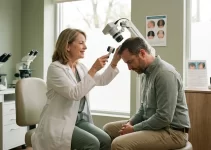
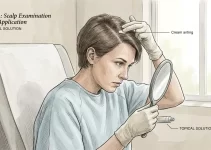
Hair loss often starts quietly. Maybe you notice a bit more hair in the shower, a part that looks wider than before, or a crown that seems thinner under certain light. You might also see extra strands on your pillow in the morning, which is often when it really hits home. In the early to moderate stages of androgenetic alopecia, these changes can feel surprisingly personal and heavier than you expected. Most people want to act early, but they also don’t want to rush into something they might regret later. That’s why more attention has been moving toward newer hair regrowth treatments that usually avoid whole‑body hormonal effects, which, for many people, feels like a safer place to start.
That curiosity leads to a simple question: what about side effects? Even non‑hormonal options can cause reactions, and newer treatments don’t always have decades of long‑term data behind them. Knowing what side effects are common, which ones show up fairly often, what’s rare, and what’s still unclear can ease anxiety and help avoid late‑night Google spirals.
This guide looks at the side effects of emerging hair regrowth treatments, with a focus on non‑hormonal and topical options. It covers common scalp reactions, possible effects beyond the scalp, and what early clinical studies are showing so far, along with what they still haven’t answered. It also reviews what clinicians tend to watch over time and where regenerative approaches like stem cell activation and follicle signaling therapies fit in, without the hype. For anyone who wants realistic expectations instead of fear‑driven marketing, this should help things feel more steady and grounded.
Why Side Effects Matter More With New Hair Regrowth Treatments
New hair regrowth treatments often get people excited because they go straight after hair loss at the follicle level instead of just hiding it, which feels like real progress. Some are designed to gently wake up dormant follicle stem cells and guide them back into a growth cycle over time. Others work by blocking androgen signals directly in the scalp, rather than changing hormone levels across the whole body. Big ideas bring big expectations. Still, new doesn’t mean risk‑free, even when something is made for daily use, and that can surprise people.
When you look at clinical data from recent years, topical hair regrowth treatments usually show very low rates of serious side effects. The issues that do appear are mostly mild and local, like itching, dryness, or redness on the scalp. Annoying, yes, but often manageable. Whole‑body symptoms are uncommon, though they can still happen in certain cases, especially if a product absorbs deeper than expected or is used more often than directed.
To add some numbers, researchers tracking side effects across hundreds of thousands of users found very low rates of dizziness and irritation with topical options, so for most people the overall risk stays small. For a broader view, you can explore our detailed breakdown in Side Effects of Non-Hormonal Hair Loss Treatments.
| Side Effect | Reported Rate | Exposure Type |
|---|---|---|
| Scalp irritation | 0.007% | Topical |
| Dizziness | 0.005% | Topical |
| Mood or sexual effects | ~0.002% | Topical finasteride |
What matters most is remembering that even non‑hormonal treatments still interact with living tissue. The scalp isn’t passive. Absorption can vary from person to person and can change over time. Scalp health, formula, dose, and how you apply it all affect how a product behaves. Small reactions are worth paying attention to, especially since some build slowly, and catching them early often makes a real difference.
Common Local Side Effects You Might Notice First
With non-hormonal hair regrowth treatments, side effects usually show up right where you apply the product: the scalp, not the face or the rest of the body. For many people, that limited area feels reassuring. These reactions often show up early, especially in the first few weeks, and they’re usually mild and temporary. It’s pretty common to notice something at the start, and in a lot of cases, it fades as your scalp adjusts to the new product.
The most common things people notice are redness, itching, dryness, or a short warm or tingling feeling right after applying it. It’s often described as a sun-warmed feeling rather than anything sharp or painful. Some people also notice flaking or mild swelling, usually around the hairline or the crown. That can be annoying, but it often settles down once the scalp gets used to it, similar to how skin can react when you try a new skincare product.
Temporary shedding can also happen, and that can feel worrying when you see extra hairs in the sink. In many cases, this means hairs are shifting from a resting phase into a growth phase. Dermatologists often call this a reset period. While it’s frustrating, it usually evens out within one to three months.
Problems tend to show up when irritation sticks around or becomes painful. That’s usually a sign to pause. This can happen if the formula is too strong, used too often, mixed with harsh products, or applied to already irritated skin. Small changes often help. Using the product the right way can really help, and the guide on topical hair regrowth treatment protocols shares simple ways to lower the risk of irritation.
Understanding Systemic Risks, Even in Non-Hormonal Options
Many people choose non-hormonal hair regrowth treatments because they want to avoid whole-body side effects. That instinct makes sense, since most people just want fewer surprises. Still, it helps to understand how systemic risks can appear, even with options that seem fully local.
What most people notice first is that topical treatments are made to work on the scalp. In real-world use, though, small amounts can still enter the bloodstream. This is more likely with higher strengths, irritated or broken skin (scratching counts), compounded formulas that skip standard testing, or products used more often than directed. The FDA has raised concerns about this, especially with some topical finasteride products, which adds helpful context.
There’s no surprise about the adverse effects, because those are the same that have been seen with the oral medicine. The disconnect is that people may think because it’s topical that it’s safe and can be used widely at different concentrations without any problems.
Non-hormonal regenerative treatments try to lower risk by affecting cell signaling instead of hormone pathways. Early research suggests systemic effects are uncommon, but long-term data is limited, which is why clinical trials usually matter more than forum posts.
So what should raise concern? If dizziness, lasting fatigue, mood changes, or brain fog start showing up, that’s usually a sign to pause and check in with a professional. Your body often gives clear signals when something isn’t right. For more on how these risks compare across products, see Non-Hormonal Hair Loss Side Effects: What to Expect.
Regenerative and Stem Cell Based Treatments: What Early Data Shows
What shows up first in the data is safety. So far, small clinical studies look encouraging in the short term, with most side effects staying mild. People usually report things like scalp redness, irritation, brief swelling, or itching that fades within a few days. Injection-based options can cause temporary soreness at the needle site, which is pretty expected. More serious problems haven’t appeared in early trials yet, which is reassuring for research that’s still fairly new, at least in my view.
That safety picture helps explain why regenerative hair regrowth treatments are one of the fastest-growing areas in hair loss research (and they honestly sound less invasive). Instead of replacing follicles like transplants do, these methods try to wake up existing follicles and push them back into activity. Current work includes exosome-based products, stem cell, derived signaling, MPC inhibition, and newer growth factor concentrates that are still being tested in labs and small studies.
These findings show the potential for clascoterone 5% topical solution to change that equation by delivering real, measurable regrowth with negligible systemic exposure.
The biggest limitation is time. Most therapies only have weeks or months of follow-up, not years, which leaves plenty of unanswered questions. Issues tend to show up when people chase unregulated options or expect instant results. Regeneration is slow and often subtle, showing up over months as slightly thicker coverage along a thinning part rather than sudden regrowth.
Clinical Trials, Monitoring, and Long-Term Safety
What really gets people interested in newer hair regrowth treatments is how long researchers follow them. Clinical trials are where safety questions actually get answered, and that usually means months or even years of follow‑up, not a quick four‑week check. That longer window matters most for people with early to moderate androgenetic alopecia, since treatment is ongoing and can last for decades. Safety looks different when that’s the situation.
Participants are usually checked for skin reactions, blood markers, and everyday symptoms, along with how they feel overall, sleep, energy, mood, the basics. It sounds simple, but it’s pretty thorough. Controlled settings help separate real treatment effects from health changes that would have happened anyway. Over time, dosing often gets adjusted, and later trial phases usually show fewer side effects once those changes settle.
Dermatology experts, including teams at the Cleveland Clinic (a generally reliable source for clinical guidance), often point to localized delivery as the practical sweet spot. Low‑dose and topical options limit how much medication moves through the body while still working where it’s needed.
Clascoterone is the most advanced of the newer treatments and may become a useful topical option, particularly for women, but it is not a cure and is unlikely to replace existing treatments.
Thinking about joining a study? Knowing what to expect can make the process easier. That’s why this guide on guidelines for participating in clinical trials for hair loss treatments walks through screening, ongoing monitoring, and patient rights using clear, real‑world examples instead of dense jargon.
The Bottom Line for Choosing Safer Hair Regrowth Treatments
There’s real interest around newer hair regrowth treatments, especially for people who want non-hormonal options. That’s a good sign. So far, most reported side effects are mild and limited to the scalp, often short-term issues like redness or itching. When products are properly tested and used as directed, serious risks still seem rare, which feels reassuring. For many people, that alone helps lower anxiety.
What often makes the biggest difference is informed patience, even when you want fast answers. Quick fixes that promise results in weeks often let people down. A more helpful approach is setting realistic expectations and following application instructions closely, even on busy days. Paying attention to small changes, on your scalp and in how you feel overall, can help catch problems early. If something feels off, checking in with a professional usually makes sense (trust that gut feeling).
If you’re early in your hair loss journey, this time is a chance to learn. Keeping up with clinical research can ease fear and keep the focus on steady progress. Treatments like PP405 and other regenerative approaches are being studied carefully, with safety a clear focus during trials and early use. That matters.
Hair regrowth usually takes time. Choosing options that support long-term health often feels steadier and easier to stick with, like following a calm nightly routine for a few months and watching small changes slowly add up.