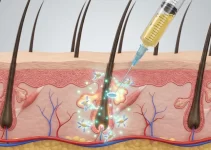
Hair loss can feel overwhelming, especially when it shows up earlier than expected (and yes, that kind of surprise often stings). Many people first notice thinning at the crown or a part that’s getting wider and feel a strong push to act fast, while still wanting to stay safe. That mix of urgency and caution is usually why topical hair regrowth treatments get so much attention. These options aim to support regrowth without pills or injections, no needles involved, which is often a relief. Still, it’s completely normal for safety questions to come up, and they usually should. For anyone exploring hair regrowth therapy, understanding how safety fits into the decision is essential from the very beginning.
This article aims to explain how safe today’s most common topical hair regrowth treatments appear to be, based on what current research actually shows. It looks at clinical results we already have and the side effects people report most often, with extra attention on non-hormonal options. Visible regrowth tends to get most of the attention, but safety matters just as much, especially when treatment starts early instead of later.
If you’re dealing with early to moderate androgenetic alopecia, this guide will likely feel relevant, and not unusual. It looks at familiar options like topical minoxidil alongside newer treatments such as clascoterone, plus regenerative therapies still being studied. By understanding how each option works and how risks are usually weighed, it becomes easier to make informed, step-by-step choices that feel manageable.
Why Safety Matters in Hair Regrowth Therapy
Big promises around hair regrowth often get most of the attention, but safety deserves just as much focus. These treatments are rarely quick fixes. Most are used daily for months, and sometimes even years, and that long timeline changes how risk should be viewed. Small side effects can add up over time, which is why doctors pay close attention to long‑term use and how much of a product actually enters the body. With regular, ongoing use, safety often matters more than people first think.
Topical treatments are usually seen as safer than oral drugs, and in many cases that’s true. They act directly on the scalp instead of moving through the whole body, which can be a real plus for many people. Still, “topical” doesn’t mean risk‑free. Strength, formula, and how often a product is used can affect skin reactions and absorption, sometimes more than expected. These problems also don’t always show up right away.
That’s where research helps. Recent studies let patients better compare benefits and risks, especially with newer options. For example, research on topical minoxidil shows an average increase of +14.9 hairs per square centimeter with the 5% formula compared to placebo. Side effects are usually limited to the scalp, like itching or redness, which is often where people notice issues first.
| Treatment | Average Hair Density Gain | Common Side Effects |
|---|---|---|
| Minoxidil 5% | +14.9 hairs/cm² | Itching, irritation |
| Minoxidil 2% | +8.11 hairs/cm² | Dryness, shedding |
Established Non-Hormonal Options in Hair Regrowth Therapy
Topical minoxidil is still the most common non-hormonal option for hair regrowth, and there’s a clear reason for that. It’s been studied for decades and is approved for both men and women. That long history matters more than many people realize. Doctors aren’t relying on short trials, they’ve seen how it works over years of steady use, which, for many people, makes it easier to feel comfortable sticking with it.
At the beginning, some users notice mild scalp issues. Flaking or itching can show up early for certain people, and yes, it can be irritating. There’s also an initial shedding phase that happens fairly often. Seeing more hair fall out can be stressful, but in many cases it means follicles are shifting into a new growth cycle. It’s more like a reset than a sign things are getting worse.
When used as directed, body-wide side effects from topical minoxidil are uncommon. Because of that safety record, dermatologists often suggest it as a first step for androgenetic alopecia, especially for anyone who wants a simple approach. No complex routines or mixing products, just consistent application.
According to Dr. Jerry Shapiro from NYU Grossman School of Medicine, topical minoxidil is still the safest place to start for early hair loss, especially for people who want to avoid hormone-based treatments. This view comes up often in everyday clinical settings.
Safety concerns tend to increase once hormones are involved. Compounded topical finasteride is one example. Even when applied to the scalp, some of the drug can enter the bloodstream. The FDA reported 32 adverse event cases between 2019 and 2024, including mood changes and sexual side effects, which naturally gets attention.
There’s no surprise about the adverse effects, because those are the same that have been seen with the oral medicine. The disconnect is that people may think because it’s topical that it’s safe and can be used widely at different concentrations without any problems.
This quote points to a takeaway that’s pretty simple and worth keeping in mind.
Emerging Topical Therapies and What Trials Reveal
What’s getting attention right now is the push for better results with fewer risks, which usually fits what patients actually want. Clascoterone 5% topical solution comes up often for that reason. It’s a topical anti-androgen designed to work in the skin itself, instead of changing hormone levels across the whole body. That difference matters, especially for people who are careful about systemic side effects, and it helps explain why this option gets noticed.
Between 2025 and 2026, Phase III trials enrolled 1,465 patients, giving the findings solid weight. Results were mostly positive. Treatment-emergent adverse events appeared in 5.1% of clascoterone users, compared with 6.1% on placebo, and no systemic hormone suppression was found, which supports longer-term use.
| Metric | Clascoterone | Placebo |
|---|---|---|
| Adverse event rate | 5.1% | 6.1% |
| Systemic hormone effects | None detected | None |
Hair regrowth stood out as well. Some patients saw up to a 252% increase in target-area hair count versus placebo. Results varied, but many people showed visible improvement.
These findings show the potential for clascoterone 5% topical solution to change that equation by delivering real, measurable regrowth with negligible systemic exposure.
People focused on safety often like this kind of trial setup. Bigger study groups can catch problems smaller trials miss, and the placebo comparison adds extra confidence.
Regenerative Approaches and the Future Safety Landscape
Something more interesting than hormone blockers is starting to take shape. Regenerative topical treatments aim to wake up dormant hair follicles instead of shutting hormones down, which feels like a meaningful shift for people following this space. Rather than forcing growth, these treatments usually try to gently influence the cell pathways that decide when follicles rest and when they restart. That lighter touch is a big part of why people are curious about them.
One option getting a lot of attention is PP405, which comes from academic research. It works by blocking a pathway tied to follicle dormancy. In early trial data, 31% of men with advanced hair loss saw more than a 20% increase in hair density after a short dosing period. That’s clearly not everyone, but it’s enough to turn heads, especially since advanced hair loss is often hard to treat.
Because PP405 is non-hormonal, it likely has a different safety profile than older options. The short exposure window helps, and its local action usually limits worries about long-term, whole‑body effects. Still, experts often urge patience. Early results can look promising without proving long-term safety, so longer studies and close follow-up matter, especially for people like you who want options that are easier to live with day to day.
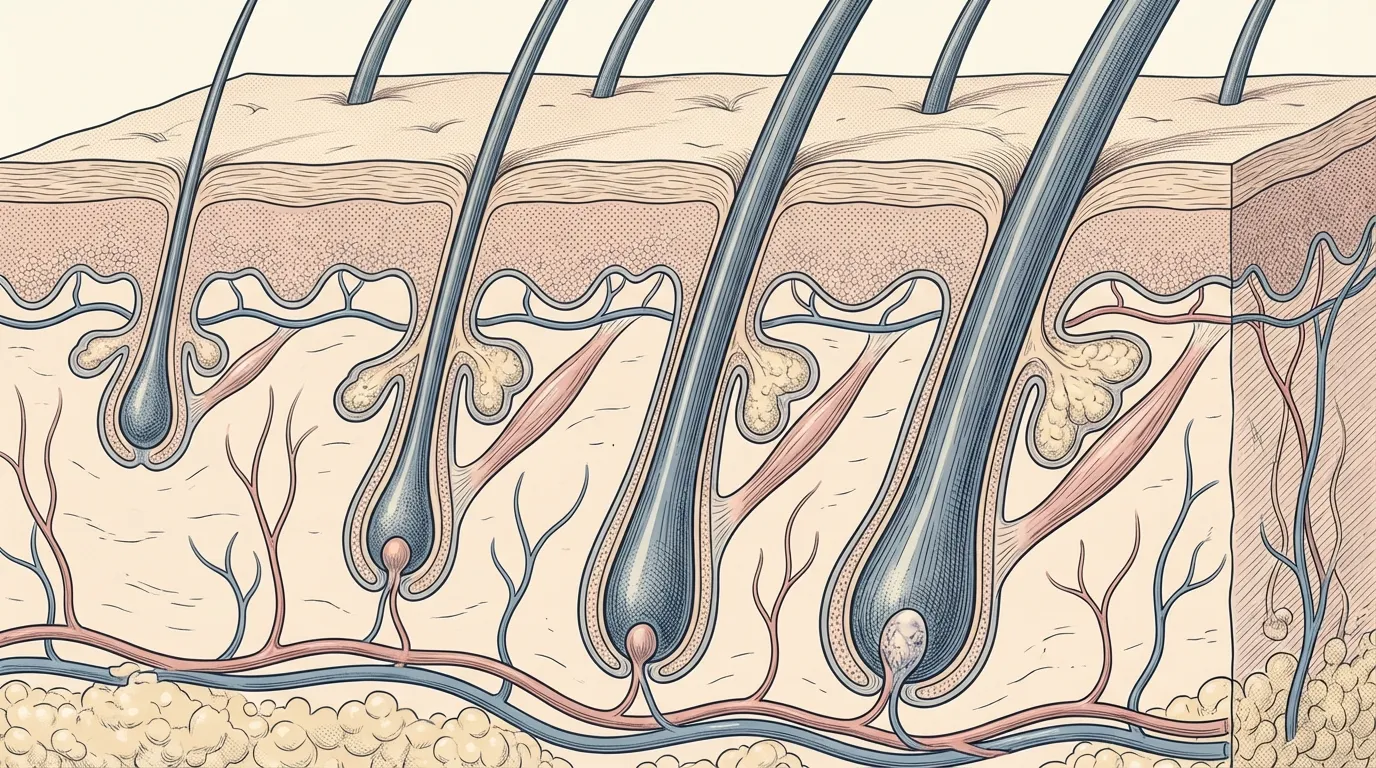
How to Evaluate Safety When Choosing a Topical Treatment
Picking a treatment usually works best when you look past brand names and think about your own risk factors. I find it helps to slow down and ask what really applies to you, not what worked for someone online. A good place to start is whether the treatment is hormonal or non-hormonal, how long it’s been studied, and whether side effects tend to stay on the scalp or affect the rest of the body. This difference matters even more for people who are sensitive to medications.
Treatments supported by peer-reviewed research are usually safer, especially when they come with clear dosing guidelines. Clear instructions help prevent simple mistakes. Custom-compounded products can be riskier when oversight is limited, since uneven dosing can cause problems more often than people expect.
Some practical safety checks include:
- Patch testing before full use, even with gentle formulas
- Following the exact dose instead of guessing
- Weekly scalp notes on your phone to spot patterns
- If symptoms spread beyond the scalp, that’s usually the time to stop and talk to a professional
Cost and access matter too. Safer options often cost more upfront because of research and regulation. In many cases, that extra cost buys peace of mind, which is often worth it.
The Bottom Line on Safety and Smart Regrowth Choices
It’s easy to miss how much topical hair regrowth therapy has improved over time, but the change is real. For people dealing with androgenetic alopecia, there are usually more choices now than ever, and many come with solid safety data. Long‑standing treatments like minoxidil have years of use and follow‑up studies, which often makes them feel lower risk (that kind of track record matters, I think). At the same time, newer options such as clascoterone show how research keeps tightening its focus on safety as knowledge grows.
Another area getting attention is regenerative research. Some approaches are still in trials and offer an early look at what could come next, even if it’s still early days. Instead of forcing growth, they often aim to guide existing follicles back toward more normal behavior, working with the body’s usual processes. That’s why people who care a lot about safety tend to keep an eye on this area.
So what’s a sensible move? It usually helps to look at the evidence, not just the headlines. Starting with lower‑risk options, following trial updates, and giving results time can make a difference. Slower gains with clearer safety data often feel more reassuring than quick changes with open questions, like choosing a well‑studied topical before trying something brand new. Ultimately, understanding the safety of hair regrowth therapy helps you make smarter, more confident decisions that fit your goals.