Hair loss often feels confusing, slow, and frustrating, and for most people it’s also deeply personal. Early to moderate thinning from androgenetic alopecia usually sends people looking for options that don’t interfere with hormones or affect the whole body. That reaction makes sense, and it’s where many people start. Topical hair regrowth treatments fit that need because they work where the problem shows up: the scalp. Instead of changing how the body works overall, these scalp-only products focus on encouraging follicles to respond again, especially in the thinning spots you notice in the mirror. More local. More targeted. Often easier to keep up with.
Instead of hype or miracle claims, this guide keeps things practical. What many readers find most helpful is learning how these treatments actually work in everyday routines. Application technique, which is often brushed off, usually matters more than expected, even down to small habits that seem minor at first. The guide walks through clear, repeatable ways to apply products so follicles have a real chance to respond. Small details really add up.
It also explains where newer regenerative options fit, including stem cell approaches and targeted topicals like PP405, which get a lot of attention. Many people stop too early or apply products inconsistently without realizing it. This article helps people avoid those mistakes and stick with a non-hormonal, science-driven approach, like applying a topical correctly every night for months, not weeks.
Understanding Topical Hair Regrowth Treatments and Why They Matter
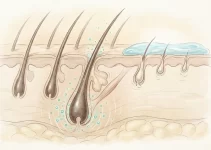
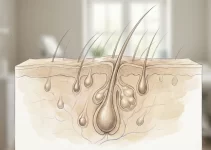
Topical hair regrowth treatments are applied directly to the scalp, usually in spots where thinning shows up first, like the hairline or the crown. Most come as liquids or foams, plus a few serum-style options many people have seen online. Rather than changing hormones across the whole body, these products work right at the hair follicles. Because of this local focus, they’re often seen as a lower‑risk option, especially when hair loss is still early. It’s a simple, targeted method, and at the beginning stages, that focus is often why people choose to start here.
Androgenetic alopecia is very common. In the United States alone, about 50 million men and 30 million women deal with it. Thinning usually starts quietly, and many people notice changes long before they ask for help. At that point, many follicles are still there but inactive, not gone, just resting. Topical treatments usually work best with early to moderate loss, when follicles can still respond. Timing matters, and in my view, it affects results more than many expect.
Here’s a quick snapshot showing how large the topical‑focused treatment space has become.
| Metric | Value | Year |
|---|---|---|
| People affected in the U.S. | ~80 million | 2025 |
| Lifetime prevalence in men | Up to 80% | 2025 |
| Dominant treatment type | Topical therapies (98.3%) | 2024 |
| U.S. AGA market size | USD 979.1M | 2024 |
Topical minoxidil is still the clinical standard. Around 67% of men respond when it’s used the right way, which is significant. Even so, it has limits, and sticking with it long term is often the hardest part, something clinicians notice often.
Maintaining therapy effectiveness and patient satisfaction over the long term is a major difficulty in the treatment of androgenetic alopecia.
That’s why many newer topical treatments focus not just on faster growth, but also on waking up follicles and slowing shedding at the same time.
Application Protocols for Topical Hair Regrowth Treatments
What often holds results back isn’t the formula, it’s how it’s used, and that trips people up. Clinical researchers often point to poor technique as the reason topical treatments fall short. A product can be solid, but if it doesn’t truly reach the scalp, not just the hair, results stay limited. That’s why the approach below stays evidence‑based and practical, with simple steps that help medication reach the scalp, where it actually matters.
Step-by-step protocol
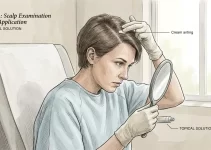
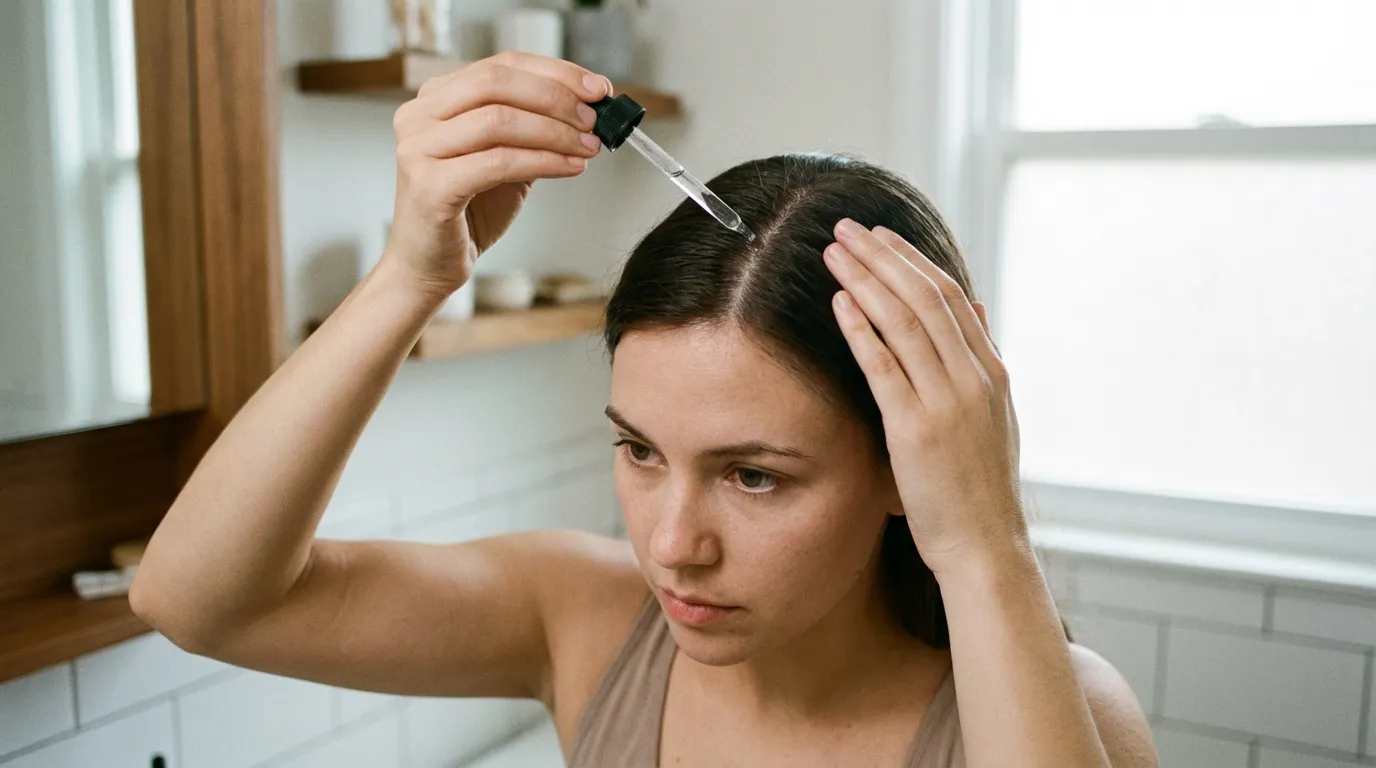
Starting with a clean, dry scalp often makes a bigger difference than people expect, especially early on. If the product goes onto wet hair, it gets diluted and sits on the skin for less time, which can slow results. It also helps to part the hair so the scalp is easy to see. This seems obvious, but it’s often skipped, and that’s usually when progress feels slower than expected. In practice, prep matters more than most people think.
Next is getting the amount right. Accuracy matters here, even if it feels fussy at first. Liquid minoxidil is usually 1 mL, while foam is about half a cap, not a full one. Using more rarely helps and more often leads to redness or itching.
Application method matters too. Move slowly and use light finger pressure to spread it over thinning areas. Rubbing hard can irritate the scalp and won’t help absorption.
Timing often decides how well everything works. Most topicals need about four hours before washing, which is why overnight use often fits real routines better, like applying after an evening shower.
Combining Topicals With Microneedling: What to Know
Microneedling has become one of the most talked-about add-ons for topical hair regrowth treatments, and that’s usually because it does two helpful things at the same time. By using tiny needles to create microchannels in the scalp, basically very small openings, it often helps topical products absorb more easily. At the same time, those channels can send growth-related signals to the skin, which supports the overall process.
What makes this combination worth paying attention to is the research behind it. Clinical studies often show higher hair counts when minoxidil is used with microneedling instead of minoxidil on its own. Since this result shows up across multiple controlled trials, clinicians tend to see it as a real option rather than a short-term trend.
| Treatment Approach | Hair Count Improvement | Notes |
|---|---|---|
| Minoxidil alone | Moderate | Requires daily consistency |
| Microneedling alone | Low to moderate | Limited as monotherapy |
| Minoxidil + microneedling | High | Best evidence-supported combo |
One detail that people often miss is timing. Applying minoxidil right after microneedling isn’t recommended. Waiting at least 24 hours usually reduces irritation and keeps things safer. For home use, a needle depth between 0.5 and 1.0 mm is common, and weekly sessions are enough for most people.
Most problems come from moving too fast, using needles that are too long or applying topicals too soon. That kind of inflammation often slows results instead of helping.
Non-Hormonal and Regenerative Topicals: A New Direction
Avoiding oral drugs is pretty common, often because people worry about hormone-related side effects, which is easy to understand. That concern has pushed research toward non-hormonal topical hair regrowth treatments that work directly at the hair follicle on the scalp, rather than moving through the bloodstream. By staying local instead of changing how the whole hormone system works, these treatments tend to feel more focused. For a lot of people, that targeted approach is a big part of the appeal, even if it means thinking about treatment in a new way.
What’s getting the most interest right now is stem cell activation. The goal is to wake up follicles that have slowly become inactive over time, which usually happens bit by bit. PP405 is one example that’s currently in clinical trials. In Phase 2, more than 30% of participants saw over a 20% increase in hair density. It’s still early, but many people see these results as a positive sign.
The exciting value to PP405 is that it appears to induce or stimulate dormant hair follicles into the anagen phase of the hair cycle, suggesting the potential for regeneration.
This shift matters because older treatments mostly focus on slowing hair loss or keeping the hair you already have. Regenerative topicals, on the other hand, try to start new activity inside the follicle itself, which is a real change in approach. They’re still being reviewed, and most need a clean scalp and steady, careful use over several months. These aren’t quick fixes. Results usually take time, and patience is often part of the process, whether that’s frustrating or not.
Managing Expectations, Side Effects, and Adherence
That early shedding phase can feel scary, especially around weeks four to eight. It often means follicles are moving into a new growth cycle, not that things are failing, even if it feels that way. Some people also notice scalp irritation or dryness. It’s worth saying upfront so it’s not a surprise. A bit unsettling, honestly.
Consistency is usually the hardest part. Research shows many users stop within six months, often just before changes start to show. So close. Small habits can help, phone reminders or tying application to brushing your teeth. A simple routine matters more when it doesn’t feel like a chore.
Topical minoxidil and oral finasteride are still the only two FDA-approved treatments for pattern hair loss. They are very effective for the treatment of hair loss.
New options may appear over time, which is encouraging. Still, hair regrowth is slow. Checking progress every three months, like a calendar reminder, usually works better than daily mirror checks and helps you stay sane.
Putting It All Into Practice
What usually makes the biggest difference is starting early and sticking with it over time. That often matters more than any one small tweak. It sounds simple, but this is where many people get off track. Results tend to show up when the scalp is clean, the dose is right, and the treatment has enough time to sit before you move on with the day. After weeks of steady use, these basics often mark the line between real progress and plain frustration. There really aren’t shortcuts here.
Curious about newer regenerative options? One helpful move is to watch clinical trials and new data, even though that takes some effort. These options are usually meant to work with a topical routine, not replace it overnight.
Instead of doing everything at once, pick one plan that fits real life. Keep it manageable, track changes with photos, and give it at least six months, like comparing monthly scalp photos when patience runs thin.